HAVE ANY QUESTIONS? CLICK HERE

CONCIERGE SERVICE
Monday - Sunday
8:00am - 8:00pm
SCHEDULE A VISIT
Tour any of our communities. Click here to get started.
CORPORATE OFFICE
162 College Highway
Southampton, MA 01073
Our Community Blog

Helpful Tips (21)
Wednesday, 04 March 2026 16:06
How to Help an Older Family Member Declutter Their Living Space
Written by Karen M. Rider
Helping older adults declutter requires a patient, respectful approach that honors the memory and meaning held in their personal possessions.
It can be incredibly difficult to get an older adult family member to let go of the “stuff” that has collected in their living space. They may view your attempts to help them clean up as an intrusion of their privacy, leading to feelings of anger, sadness, and fear of losing a vital part of their personal history, and even their autonomy. Helping an older family member declutter their living space requires a gentle, respectful, and slow-paced approach that makes them feel like a partner in the process.
Cluttered Living Spaces: A Hazzard for Older Adults
Excessive clutter in an older adult’s home present both safety and health hazards. When their “stuff” collects on stairways, blocks windows and doors, and overwhelms living areas, a beloved older family member is at risk for accidents. Rusted objects cause serious cuts if not handled carefully. Illness causing irritants such as dust, insects, or rodents can lurk among piles of old paper, boxes, and clothing.
Tips for Helping an Older Adult Get Rid of Junk
Before you begin to move things around or to remove stuff from your beloved older family member’s living space, check your mindset. Remember that where you see junk, they see memories—and they are connected to these objects or what the objects represent in ways that are deeply emotional and even physical.
Start the declutter process with a conversation about what needs to be done and why. Focus on areas in the home where there is a safety or health hazard, such as blocked exits that would make it hard to get out in the event of a fire or an area where there is a risk for falling. Also, consider your family member’s health status: mobility, hygiene, medications they take and let those needs inform how you proceed with the decluttering process.
- Show Empathy: Acknowledge that belongings have deep sentimental value. Avoid harsh terms like "trash" or "junk".
- Focus on Safety: Frame the process around removing tripping hazards to improve mobility and safety.
- Take it Slow: Don’t try to tackle the whole house or even a room at one time. Regular, short sessions can help prevent physical and emotional exhaustion—for both of you.
“You know, Dad, these piles of paper you have here by the stove, these could catch fire easily. Let’s go through them to see what is important here and move those items to a safer location. This way we can make sure you haven’t missed any bills or important news.”
“Mom, I know these old photos and memorabilia are very important to you. The boxes are blocking windows and part of this door. Let’s sort through them and make the space less cluttered so it's safer for you in the event of an emergency. Plus, I’d really love to see this history with you.”
- Prioritize Function: Ask your family member how they are using the items or what the items mean to them. Do they use the items daily or weekly or monthly? When was the last time they used an item (if they can remember)
- Ask for Input: Involve them in every decision to ensure they feel in control.
“Mom and Dad, I’ve created 3 categories for items: Keep/Preserve, Donate, Discard. Your input is important. We’ll go through one thing at a time. If there’s value to something that I am not easily familiar with, please tell me the story behind it. What we don’t have the room for here, at your house, we’ll find a safe place for, but we have to be selective so that we can make the space safe and healthy for you.”
- Preserve What is Essential: Explain that old photos can be scanned to different media formats, such as made into a slide show or video montage; important documents can be digitized or consider things that can be put into a picture frame and visible for them to see on a regular basis. There are many resources for preservation to be found online or even a local business. Look for services such as photo/document restoration, preservation of memorabilia, and photo/video archiving.
When Clutter Becomes Hoarding in an Older Adult’s Home
You might start the decluttering process only to discover the task is beyond yoru capabilities for one of two reasons:
- Your family member resists all attempts to clean house and continuing will just strain your relationship.
- Safety or health hazards (insects, mold, rodent droppings) exist that you are not equipped to handle.
In the first scenario, you will want to hire a service that specializes in working with older adults. Contact your local Area Agency on Aging for suggestions. Also look for companies like Silver Solutions to see if they run services in your area. Some professional organizing companies will also have a special team for older adult decluttering services.
The second scenario requires intervention to deal with the hoarding and the hazards presented in your situation. What you see on the surface may just be the tip of the ice burg. Hoarding can cover structural issues in a living space including electrical and plumbing hazards.
Is it time for Assisted Living Care?
As you move through the cleaning-up and cleaning-out process with your older family member, you might wonder if it is time for assisted living care. If the health and safety risk factors are significant, then the answer to the question is likely “yes.”
At Everbrook Senior Living, our exceptional living spaces provide a safe, “feels-like-home” environment where your loved one will be cared for like a member of our own family. We monitor living spaces for health and safety consideration along with any special medical and well-being needs that your loved one may require. Contact our compassionate care advocates, today, to schedule a visit to one of our many properties located throughout New England.
Published in
Helpful Tips
Tagged under
Monday, 02 February 2026 18:29
Planning a Path Forward: Tips for Adult Children and Aging Parents Facing Difficult Decisions
Written by Karen M. Rider
Each glance in the mirror shows us that we are getting older. We can feel it in our bones, in our energy levels, and in witnessing of our own parents aging and, in many cases, losing their vitality. This stage of life can be challenging, that’s for sure. There are many difficult conversations to have around healthcare, finances, and end-of-life planning.
It is all too easy for fear, grief, and even resentment to creep into the space between family members. But there’s another way to approach this delicate stage—one that allows this unique time in life to be shared with reverence, gratitude, and grace between adult children and their aging parents.
The tips below will help you plan a path forward with loving intention, courage, and clarity as the time to make critical decisions nears.
Embrace Blessings, Find Peace. The challenges inherent with interacting with our aging parents can be balanced with unexpected blessings if we focus on finding peace. It’s hard work to rise to this challenge, but well worth the effort. You have the opportunity to discover one another anew by taking the perspective of understanding the life choices your parents made through the lens of your own adult life. This change in stance also invites your aging parent into a different way of seeing your choices and relating with you—one that comes from a new shared perspective. If needed, seek out an eldercare mediator, professional counselor, or support group that specializes in strengthening the bond between adult children and older parents.
Who are You, Now? If your family is blessed with longstanding strong ties, open communication and support for one another, then now is a good time to deepen that bond. Maintain focus on building mutual understanding by keeping updated on each other’s lives through regular calls, texts, and letters that show the nuances of who you are and what is happening in your life. When interacting, ask deep questions that allow for open dialogue rather than short answers. Inquire about the kind of emotional support you need from each other, not just physical or logistical support. (ex: What concerns weigh on your mind or heart these days, Mom?). Also, discuss current events in the world and in daily life such as each other’s work, hobbies, and social relationships. If you sense gaps in your parents’ life that affect their wellbeing (e.g. loneliness), then raise that topic with them.
Find Value in the Little Things. For many of adult children, it’s hard to see past the shortcomings and missteps (or mistakes) we perceived our parents made with us while growing up under their roof. Again, looking at their choices or even asking them about those choices with the intention to understand and appreciate the challenges they faced at the time can go a long way to repairing frayed family ties. In doing so, you can find value in the little things and the sacrifices that impacted their choices, much of which is lost on us during our youth. Gaining appreciation for their experience at the time, helps create space for forgiveness, for healing old wounds and resolving differences. Again, a counselor or support group can be a real asset in helping aging parents and adult children move into alliance with one another.
Healthy Boundaries, Stronger Family Connections. You may be in a situation where you want a peaceful and amicable relationship with your loved ones, but old hurt, rivalries with siblings, and other family drama keeps popping up. In these circumstances, a counselor is essential to help all family members set healthy boundaries and focus on how to maintain open dialogue, steering clear of hurtful topics and drama. Sometimes we won’t be able to come to resolution, but with acceptance of what we can’t change, we can move forward well-enough to be present without resentment or regret.
Life is fragile; we sense this the older we get. Helping our parents age with courage and dignity through open dialogue, mending strained family relations, forgiving and showing grace to ourselves and our parents can be difficult to do. Planning the path forward for our aging parents before memory loss or other illness makes them unable to participate in the process is an act of compassion for all involved. One that will help us bear the sorrow or their passing without resentment or regret. Take the time, now to strengthen your relationship with an aging parent or adult child so that when the time does come to day good-bye you are not just prepared, you both can move on in peace knowing that you gave it your best.
Support for Planning a Path Forward with Everbrook Senior Living
All of us at Everbrook Senior Living have walked the path of planning a path forward for our aging parents—many of us needed to mend fences along the way. We understand the challenge and the reward in this process. It is at the heart of the work we do for the families we serve. It is why we established the Everbrook communities for active older adults and assisted living. Our compassionate, professional staff can help facilitate honest conversations between family members faced with making decisions about care for aging parents. Our first and utmost concern is that everyone involved has a voice in the process and finds the best fit for their loved one’s needs, including social-emotional, spiritual, medical, and financial. Contact us to learn more about how we can assist with the conversation and decision making between aging parents and adult children.
Further Reading
HopkinsMedicine.org: “Tough (But Important) Conversations [with Aging Parents]”
NPR.org: “8 Essential Conversations to Have with Your Aging Parent”
Family Caregiver Alliance Webinar: “Families with Aging Parents: Difficult Conversations Just Got Easier”, presented by Nicole Lance, JD.
AARP.org: “5 Tips for Difficult Family Caregiving Conversations”
Published in
Helpful Tips
Tagged under
Tuesday, 06 January 2026 13:31
Tips for Older Adults – Easy Ways Older Adults Can Initiate New Friendships in the New Year
Written by Karen M. Rider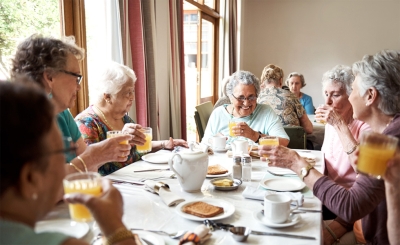
A wonderful way for older adults to add meaning and joy to life is to initiate new friendships in the New Year. Studies show that friendship provides vital social connections that support mental and physical health. As people are living longer, it’s important to establish habits and routines that add quality to the Golden Years. Studies show older adult friendship is vital to lowering risk for and reducing the impact of existing chronic illness, such as cognitive decline, loneliness, depression, and heart disease. It’s never too late in life to make a new friend…the tips below will help you get started!
Health Benefits of Friendship for Older Adults
Throughout our lives and particularly during older adult hood, friendship provides vital social connections that offer protective health benefits that bolsters mental and physical wellbeingprotective health benefits that bolsters mental and physical wellbeing. When we are more socially connected, we give ourselves a “biological edge” over chronic health conditions such as heart disease, diabetes, and chronic pain. Studies also show that friendship in older adulthood protects against mental health issues such as stress, cognitive decline, loneliness, depression and anxiety.
Since we are living longer, into our 90’s, it’s important to establish habits and experiences that support quality of life. Forming new friendships, no matter how young or old creates a special connection because it is chosen and offers mutual caring and support established around shared interests or personalities, which enriches quality of life. Additionally, a friendship grounded in shared respect and interest is an essential part of romantic relationships—no matter how old we are.
Tips to Create New Friendships Older Adulthood
While it is true that our social circles change during older adulthood, you can take steps to create and maintain new social ties in the Golden Years.
Meaningful Connection Can Be Short or Long-Term
Just as it benefits our health to eat a colorful variety of foods and to move our bodies indifferent ways each day, socially the same is true: Try to meet a variety of people. Explore different settings in which you might encounter kindred spirits. At the same time, don’t discount the benefit of friendly interactions in temporary situations—encounters with people where we have a shared goal (e.g., volunteer work) also builds a sense of community even if the encounter does not evolve into a lasting friendship.
Be a Joiner: Clubs and Organizations
A special interest club (book, music, art, photography, bird watching, walking, Sierra or Audubon Club, etc.) is a great way to meet people with similar interest as you. Your local YMCA, JCC, Senior Center, library, or senior living community will have many options.
Initiating New Friendships in the New Year: Tips for Older Adults
Easy Ways Older Adults Can Initiate New Friendships in the New Year
Not a Joiner? Take a Bus Trip!
If joining a group isn’t your thing but you’d like to expand your social circle, consider going solo (or maybe invite a friend you already have) to do a group bus tour or day trip. Many local bus companies, libraries, senior centers, etc. will host bus trips that are open to the public.
Get Social Media but Don’t Rely on It
Joining social media groups for older adults in your area can be a great resource for learning about programs, events, and opportunities to connect. However, don’t rely on social media to develop friendship—in person connection is the heart of real friendship. If you not media-savvy, a local librarian can help you get started.
Keep Learning: Take A Class
Check out the non-credit course offerings at a local community college or community recreation center. Art, history, cooking, master gardening, flower arranging, photography…and so much more can be right at you fingertips.
Bridge the Generational Gap: Volunteer
Volunteering with organizations that serve young people can be a great way to feel more youthful while also being of service. Consider becoming a mentor, a literacy coach, a classroom or library reader, or tutor.
New Friendships Found Every Day at Everbrook Senior Living communities
Engaging in hobbies and leisure activities is vital to quality of life in the Golden Years. Doing those things with a friends adds to joy and fulfillment, which supports healthy, independent living for older adults. At Everbrook Senior Living, our best-in-class services focus on our resident’s unique interests and needs. Custom programs are designed to help our residents establish new social connections, explore activities that add meaning and redefine purpose. Our exceptionally talented and caring staff create environments that nurture an older adult’s physical, emotional and social well-being. We wouldn’t expect anything less for our own family members and you should expect no less for you and yours.
Published in
Helpful Tips
Tagged under
Monday, 08 December 2025 12:31
How Older Adults Can Stay Healthy During Holiday Travel
Written by Karen M. Rider
For healthy holiday travel, most older adults have to pay attention to a few key considerations so that their time on the road and at their destination is stress-free. Before departing for a holiday trip, older adults should consult with their personal physician and plan ahead for special assistance that may be needed. During travel and once at your destination, it’s important to stay hydrated, take frequent breaks, snack smart, get plenty of rest, and avoid over-scheduling.
Whether you’re traveling the world or just going across the state for a stay-cation, these tips will help older adults stay healthy when traveling during holiday season.
Before Travel
- See your doctor: Schedule a checkup to discuss required vaccines, prescriptions, travel risks such as environmental factors, allergens, and protection against illness, and ensure you are physically fit for travel.
- Manage medications: Get prescription refills, pack extra for emergencies, and carry a medication list and checklist. Keep all essential medications with you in your carry-on; do not place in checked luggage.
- Pack a health kit: Include over-the-counter pain relievers, medications for upset stomach/nausea/constipation, face masks, and hand sanitizer.
- Arrange for assistance: Book wheelchair assistance in advance for flights or consider purchasing travel insurance.
- Plan for urgent situations: No matter how well or far ahead you plan, life has a way of throwing a curve ball. Have a solid “urgent care” plan. Familiarize yourself with the healthcare facilities and emergency contact numbers at your destination city. Ask your health insurance company for assistance with in-network providers or the out-of-network options available to you. This way, if anything comes up, you know where to go and what to do. And finally, keep a record of important health information, including allergies and chronic conditions, readily available.
- Stay connected: Share your travel itinerary and emergency contact information with loved ones. Have a backup plan for potential delays. Check-in with loved ones frequently
- Pack comfort items: Bring a neck pillow, small blanket or light jacket, wear supportive shoes, and any other items that will make your journey more comfortable.
PRO TIP: If you have a chronic health condition you may need to make special arrangements both for during travel and at your travel destination. You might want to consider using a travel agent to ensure that your accommodation requirements are sufficiently met during your trip.
During Travel – Destination Tips
- Stay hydrated: Drink plenty of water, even if you don't feel thirsty. Avoid excessive alcohol and caffeine, which can cause dehydration.
- Prioritize rest: Don't overschedule yourself. Get enough sleep the nights before you travel and throughout your trip—plan breaks and naps in your daily itinerary.
- Move frequently: Whether traveling by car, plane, or train, it is important to take movement breaks every hour or so. This will reduce muscle tension and joint stiffness, promote circulation, and lift your mood.
- Eat smart: Carry healthy snacks and plan meals to maintain energy. Eat smaller portions on planes and be cautious with unfamiliar foods.
PRO TIP: If you are a family member or caregiver traveling with an older adult, your role is to support their planning and help them be as independent as possible during the trip. Check out these holiday travel tips with an older adult.
At Everbrook Senior Living, we encourage our older adult residents to travel as a way to support mental and emotional wellbeing. Travel brings novel experiences that strengthen memory, self-efficacy, and a sense of wonder. At some of our communities a concierge is available to assist with travel planning. Schedule a tour or call us today to learn more.
Further Reading
See the World and Stay Healthy: 11 Things for Older Adults to Keep in Mind for Travel
https://www.cjcareconsulting.com/holiday-travel-tips-for-families-of-aging-parents
Published in
Helpful Tips
Tagged under
Monday, 01 September 2025 11:28
5 Fab Tips for Active Older Adults to Reset & Renew this Fall
Written by Karen M. Rider
There are plenty of benefits to becoming an active older adult, such as:
- wisdom acquired from life experience and sharing that with others
- time to explore new interests
- opportunity for leisure travel and entertainment
- quality time with friends and family
- feeling more accepting of who you are
Yet, these positive aspects of older adulthood rarely get the attention they deserve. To address this, as a nation, we observe Healthy Aging Month every September.
Never Too Late…
The theme for Healthy Aging Month 2025 is “Never Too Late to Reinvent Yourself.” Read on for “fun and fabulous” tips to help you reset your outlook on growing older and renew your commitment to your physical, emotional, and social wellbeing.
1. Keep a “What’s Next” Journal.
This journal is a way to give thoughtful consideration to what comes next for you in older adulthood. There’s no right or wrong way to approach figuring out “what’s next” for you. Imagine, envision, and reflect on what can add meaning to this new phase of your life. Consider starting with wish lists; pictures of things, places, or experiences that resonate with you; make sketches or collages; or simply answer “what if…” for yourself. You might also find it helpful to work with a certified coach who specializes in adult life transitions.
2. Connect with Purpose.
With the time that most older adults have available to them, why not put yours to good use by volunteering as a way to connect with others with purpose. Whether it’s an after-school program, animal rescue, food pantry, library, or other mission-driven organization of interest to you, the wisdom and experience you bring as an older adult is highly valued. Plus, volunteering has many health benefits for you, too!
3. Cook a New Healthy Recipe Every Week.
Be it an appetizer, entrée, side dish, or dessert, learning to cook keeps your reading and math skills sharp. The added bonus of cooking with or for others helps maintain social connections. When you stick with healthy dishes, you’re supporting your physical health. To mix-in more learning fun, consider cooking cultural foods and take the time to learn the history and significance of foods from around the globe. Don’t want to go it alone? Join a local cooking club or take lessons through your local community college or senior living program.
4. Cultivate Incidental Connections.
If you haven’t found new friends through volunteering or cooking adventures, then try cultivating new connections through “incidental connections.” These are the casual connections you encounter daily but tend to breeze by. For example, if you make a daily stop to the local bagel shop in the morning, strike up a casual conversation with your server or the barista who prepares your coffee. Do you cross paths with the same neighbor on your evening walk—strike up a chat and maybe plan to walk together another night. These micro-connections can help reduce loneliness and lift your spirits. There are dozens of incidental connections throughout your day—pick one and cultivate it!
5. Go on Microadventures!
You don’t need to travel far to have fun or add adventure to your life. Take some time to rediscover your local area through museums, gardens, and nature trails. Your local library, senior center, or concierge at Everbrook Senior Living can point you in the right direction. Bonus! Adding laughter, play and adventure to your day helps support emotional wellbeing, and physical stamina, and brain health.
Live a Fabulous Life at Everbrook Senior Living
The Everbrook Senior Living communities provide abundant opportunities and programs to support healthy aging. Our Wellness 4 Later Life program keeps residents active, curious, and inspired. You find resources that support a holistic approach to physical, social, emotional, financial, and spiritual wellbeing. From personalized fitness programs to hobby and social clubs, and travel opportunities you’ll have abundant choices for living, learning, playing, and laughing throughout the Golden Years.
We invite you to come see for yourself all that Everbrook Senior Living has to offer. Call today to schedule a tour.
And don’t forget to look for more events at an Everbrook communtiy near you.
Published in
Helpful Tips
Friday, 13 June 2025 14:14
Tips to Help Active Older Adults Protect their Eyes from the Summer Sun
Written by Karen M. Rider
Today’s older adult is often on the move, and summer is prime time for outdoor activities under the sun. Whether you’re beaching, biking, hiking, gardening, or just relaxing, you’ll want to take extra precautions to protect your eyes from sun exposure. That means investing a little time in choosing quality eyewear designed to counter the sun’s UV rays as well as nourishing and exercising the eyes.
Three Ways to Protect the Eyes
- Proper Summer Eyewear
- Nutrients to Support Eye Health
- Yoga for the Eyes
Proper Summer Eyewear for Active Older Adults
UV-protective eyewear is essential year-round for everyone, particularly in the summer months when we spend more time near bodies of water and other reflective surfaces. Summer days are longer and sun exposure increases as we spend more time outdoors. UV light waves are the damage-causing rays emitted by the sun—too much exposure to UV waves can cause serious problems for the eyes: sun damage, sunburn, cataracts, macular degeneration, and even eye cancer or blindness. If you have any health conditions of the eye, or take certain medications, your eyes may be at higher risk for sun damage.
Sunglasses for Older Adults should offer 100% UV protection. Your sunglasses should feel comfortable and, depending on your health history may need to “wrap around” your peripheral vision. You may also want to opt for polarized lenses if you spend a lot of time on the water. Always check with your eyecare health provider about the best eyewear for you.
Hats Off to Sun Protection! Hats with a rim or visor are ideal to filter out rays that your eyewear doesn’t cover.
Don’t Leave Home Without Them. Older adults should wear their sunglasses on overcast, bright days as well as sunny and clear days. Whether your out for a leisurely stroll, gardening or spending time at the beach—don’t leave home without your sunglasses!
Nutrients to Support Eye Health
Vitamin A. The most important vitamin for healthy eyes and good vision is Vitamin A. Carrots, are well-known for providing Vitamin A, but the nutrient in carrots is beta carotene, which is different from Vitamin A. The body has to convert carotenoids to retinols before it can actively use them. Also, some folks have trouble digesting raw carrots or may not like them. So, you want to be sure to include a variety of foods that are rich in bioavailable Vitamin A—a form most easily assimilated by the body—including foods such as cod liver oil, king mackerel, salmon, sweet potato, winter squash, turnip greens, sweet red pepper, spinach, mango, and cantaloupe
Antioxidants. The foods richest in antioxidants (vitamins A, C and E) tend to be berries (along with other fruits and vegetables in general). These nutrients support the health of the eyes by way of supporting immunity and helping the body to clear-out cellular debris that results from stress, illness, and exposure to toxins
Yoga for the Eyes
The eyes are supported by bands of muscles (the extraocular muscles) that control their movement. Exercising those muscles can improve circulation to the eyes, which helps reduce inflammation and minimize eye fatigue. Strong eye muscles also protect against the negative effects of vision overuse patterns such as digital eye strain or frequent night driving.
Below is one of several eye exercises that nourish and strengthen the musclesand other structures of the eyes.
Figure 8 Eye Exercise
You may have practiced this exercise, sometimes called “yoga for the eyes,” if you’ve ever taken a yoga class. This exercise should be done from a seated position, such as at your desk, while relaxing in your favorite chair, or while in an easy, seated yoga pose.
- Pick a point on the floor about 10 feet in front of you and focus on it.
- Trace an imaginary figure eight with your eyes.
- Keep tracing for 30 seconds, then switch directions.
Remember, keeping the eye muscles strong, flexible, and nourished is essential to protecting eye health as you age.
If you are concerned about changes in your vision, or experiencing any of the symptoms listed, it may be time to adopt healthier habits, make changes in your vision care plan, or consult with an ophthalmologist. The health and wellness team at each of the Everbrook Senior Living communities are here to support and guide you.
Published in
Helpful Tips
Tagged under
Monday, 10 February 2025 21:23
Tips for Vibrant Health from Age 60 to 80 and Beyond!
Written by Karen M. Rider
In 2013, some thirty years after Diana Nyad tossed in the proverbial towel on her dream to swim from Cuba to Florida, she returned to the ocean—at age 64—to complete the dangerous feat. It took her 5 attempts over four years to complete the 110-mile ultra-swim that she failed to do at age 28.
Diana is proof that you’re never too old to get back in the water and swim after a dream. Her achievement is not just a testament to the ability of the body to adapt to physical conditioning at any age, but to the power of mindset, social support, and trust in the possibility of “What if I still can?”
It’s true that she had the benefit of modern training techniques and nautical technology, both of which had come a long way since the 1970s. These things were not what kept Diana in the pool or the ocean every day for hours.
Diana did something each of us can learn to do:She embraced the wisdom of her age and life experience to shift her thinking away from all the things she did wrong or should’ve done differently. By letting go of regret and resentment, Diana could channel her energy into the possibility of what she could do—and could she—just possibly—do now what she physically failed to do in her youth?
Today’s older adults are entering their sixties with a desire to revitalize goals and dreams from their younger days. And, we want our lives to be meaningful and healthy well into our 80s.
Even if you weren’t an athlete “in a former life,” there are many things you can do to maintain—or restore—healthy exuberance in your sixties and beyond. Before we talk about those tips, let’s understand the changes that we all face in our sixties.
Mind and Body Changes that Take Place After Age 60
The changes that began in your 40s and 50s carry over become more noticeable in your 60s:
- Tiring more easily
- Increased recovery time from illness and injury
- Loss of muscle mass leads to reduces strength & flexibility
- Slowing metabolism can lead to weight gain
- Lower libido & other changes in sexual function
- Being more forgetful and less focused
- Feeling less emotionally resilient
- Increased risk for falling and for fractures
- Changes in appetite and food preferences
- Reduced control of bladder function
Also, you want to be sure to keep-up with routine health screenings based on your age and gender.
6 Ways to Be Healthy in Your 60s so You Can Be Active in Your 80s
The six tips presented here are a good starting point for discussion with your healthcare provider to create a plan that suits your needs. If you are an Everbrook Senior Living resident—or thinking about becoming one—we have an array of health and wellness programs to help you reach your goals.
1. Cultivate Optimism
No matter your age, how you think about yourself and your experiences has a significant influence on how you feel physically and emotionally. As we learn from Diana’s story, it is never too late to make amends with ourselves or with others and flex a different mindset. To adopt a more positive outlook—and see the possibilities that are within your reach—consider the benefits of mindfulness practices.
At Everbrook Senior Living, we offer many such programs including yoga, guided imagery, journaling, meditation, music and arts programming. Mindfulness practice help us still the mental chatter, let go of stress and worry, and cultivate a non-judgmental perspective. In addition to supporting emotional wellbeing, mindfulness practices have been shown to help lower blood pressure, reduce muscle tension and chronic pain, and contribute to exceptional longevity and health in older adulthood,
2. Keep Moving
Physical activity is medicine for body and mind, providing numerous benefits for folks age 60 and older:
- improves range of motion, coordination & balance, which decreases risk for falls
- stronger bones & improved joint health
- improves blood flow to muscles & vital organs, supporting overall health
- enhances learning, memory, mental processing & focus
- enhances sleep
- builds social connections when we exercise with others
- lowers the risk of chronic illness
There is enough variety of exercise programs for you to find something you love—or to rekindle an activity you enjoyed long ago. Inquire with your local YMCA, JCC, or your Everbrook wellness concierge if you have a specific interest and need help getting started.
If you’ve maintained your fitness level throughout your life, then you may be your own version of Diana Nyad, and have a higher capacity for vigorous exercise—and the next Big Goal!
3. Exercise Your Brain
The best way to prevent cognitive decline and memory problems that are typical with aging is by exercising your brain. Be sure you are getting out and about: Visit farmer’s markets, craft shows, museums, and local parks. Do a daily puzzle or a word search. Read widely and often. Gather with friends for an evening of games. Take an art class. Learn new technology or pick-up an instrument and fiddle around. At Everbrook, you have access to a great variety of social, arts, and cultural programs and trips. We also offer specialized memory care programming.
4. Nourish Your Body
A healthy diet is essential to disease prevention and maintaining youthful vitality. As an older adult, your nutritional needs change quite a bit. Your activity level drives your body’s need for calories, but nutrient needs after age 60 become more specific and in some cases will be higher than what you needed in your 30s and 40s!
Older adults also may want to consider a few specific nutritional: calcium, magnesium, fiber, vitamin D, vitamin B-6, vitamin B-12, probiotics, and Omega-3 fatty acids. Always check with your health provider or a licensed nutritionist before starting any type of supplement.
5. Nurture Social Connections
Studies show that older adults who are socially connected are less prone to feelings of loneliness, anxiety, and depression. Socially connected adults also seem to live longer, more fulfilling lives. Make time to meet regularly with friends and family, check-in on your neighbors, join a hobby group or book club, take a class, or volunteer in your community. Also, it’s important for older adults to maintain intimacy with their partners.
6. Prioritize Sleep
As we age, we tend to experience interrupted sleep. This can be due to aches and pains that wake us, medications, or illness that affects the quality of sleep. If you have trouble falling or staying asleep, you can create a sleep routine to help you get the rest you need.
Investing in your health and wellbeing is something you can do (or resume doing) at any age. If you want to be part of a community that values your wellbeing throughout the Golden Years, and where you can find support for what inspires you to be well and live well, look no further than Everbrook Senior Living. We hope you will reach out to us, today!
Published in
Helpful Tips
Tagged under

It’s easy for anyone to overheat in the summer months. Older adults, especially, are more sensitive to fluctuations in temperature. It’s important to stay aware of how you’re feeling during hot weather, or you can quickly overheat and be at risk for a serious—and potentially dangerous—heat illness.
Why is Hot Weather Dangerous for Older Adults?
People age 65 and older typically do not adapt easily to changes in temperature, particularly the sudden and extreme bouts of heat that we’ve been seeing in recent years. Unlike younger people, older adults don’t have the physical resilience to adapt quickly, produce sweat and regulate their body temperature.
There are few reasons why this happens. including:
- Older also tend not to drink enough water, and often drink coffee and tea—caffeine causes the body to dehydrate more quickly.
- Some prescription medications that older adults commonly take have an effect on water retention, heart rate, and blood pressure—all of which are important for regulating body temperature.
- Older people are more likely to have chronic health conditions that affect the body’s response to temperature and ability to sweat efficiently to properly cool the body.
Signs & Symptoms of Heat Related Illness
According to the CDC, as the body becomes overheated, a person can be in danger of heat-related illness including:
- Sunburn
- Heat Cramps
- Heat Rash
- Heat Exhaustion
- Heat Stroke
The symptoms of these illnesses can range from mild to severe, and one can quickly progress to another. For example, heat cramps and exhaustion may precede heat stroke.
Some signs that you are experiencing heat illness include:
- Syncope (dizzy spells, dizziness)
- Fainting
- Muscle cramps
- Edema (swelling in your legs and ankle)
- Body stops producing sweat
- Body feels very hot
- Increased thirst, despite drinking more fluids
- Weakness
- Loss of coordination
- Nausea/ vomitting
Keep an eye out for these serious heat illnesses:
Heat exhaustion occurs when your body can no longer stay cool. This often appears as feeling thirsty, dizzy, weak, uncoordinated, or nauseated. You may sweat a lot and have cold and clammy skin, or a rapid pulse.
Heat stroke is a medical emergency. Signs can include fainting, behavior changes, high body temperature (over 104° F), dry skin, a strong and rapid pulse, a slow and weak pulse, and no longer sweating even though it’s hot outside.
Seek medical care immediately if you suspect heat illness.
How Older Adults Can Stay Safe in Hot Weather
The best way to stay safe is to know the signs of heat illness and know what to do to address those signs and protect yourself or a loved one.
Older adults can stay safe in hot weather by following these tips:
- Drink water frequently throughout the day. Do NOT wait until you feel thirsty to start drinking water.
- Avoid using your oven or stove to prepare meals.
- Wear loose-fitting clothes. Wear a hat.
- Take showers or baths to cool down.
- Keep your home heating and air conditioning system in good working condition.
- If you don’t have air conditioning, consider staying with a friend or family member during a heatwave. You can also take an “AC break” at a local mall or library during the hottest parts of the day.
- Get plenty of rest.
- Do outdoor activities/chores earlier in the day or later in the evening.
- Have others check-in on you at least during the day.
- Wear sunscreen and clothing to protect yourself from sunburn (Sunburn makes your body work even harder to cool down).
- When outside in the heat, seek the shade.
Hot days are not time to try to keep up with the young kids in your life. Stay cool, stay hydrated, and protect yourself from the heat so that you can enjoy summer days without risk for illness.
Published in
Helpful Tips
Tagged under
Tuesday, 07 May 2024 17:26
Unique Mother’s Day Activities for Moms Residing in an Assisted Living Facility
Written by Karen M. Rider
When Mom resides in an assisted living facility, Mother’s Day might look different than celebrations in years past. However, you can bring a unique Mother’s Day activity to her at her residence. Take a look at our list of festive ideas to inspire how you share this special day with your mom.
Planning a Special Mother’s Day in Assisted Living
Before you make plans, be sure to check with the staff regarding updated policies and procedures at the assisted living community. This is especially important if your mom happens to be taking medications or has had a recent change in their health status that could affect her mobility, energy level, or social skills.
If your original plan requires accommodations, ask the staff to assist you in accordance with your mom’s needs and the facility policies.
A Day of Reminiscing. If Mom lives close enough to her original hometown and you can have her out and about for the day, then plan to take her down memory lane! Begin with brunch at her favorite restaurant and car ride or stroll around the old neighborhood. Bring her by schools, homes of friends, parks, and other places she frequented during her life and in raising her family. If some of those places no longer exist, you can show her how the neighborhood has changed. Alternatively, you can bring out old photo albums and gather the kids and grandkids to hear Mom share stories of her youth. Wrap of the day with a home-cooked meal or a meal all together back at the assisted living facility.
Spend Time on Her Favorite Hobby. Maybe your mom has had a lifelong love of gardening, or art, or reading books. Pick-up some terra cotta pots, assorted bulbs and live plants and plan a day of potting plants that will bloom in the weeks to come. This will provide healthy décor for her living space and serve as a beautiful reminder of your time together. Similarly, you could bring a paint and pottery project to her and makes something together, visit local art museums, or take her to a thrift bookstore to stock-up on new reads. Conclude the day with dinner out or at her residence.
Create a Family Recipe Book. Spend the day cooking favorite meals from your childhood—and hers! Prepare a breakfast, lunch, dinner and dessert. In between the cooking and eating, gather together all the recipes that mom has kept over the years—including all those “secret ingredient” ones she tries to keep from everyone. Work together to create a paper or digitized family recipe book.
For any of these activities, you can have the grandkids and any of your siblings stop by throughout the day, or the weekend, to participate.
Tips for Making Mother’s Day Meaningful for YOUR Mom
If these ideas aren’t on par with what will work for your mom, the following tips may help you come up with meaningful ideas that are just right for your mom:
What are some of your mom’s favorite things from over the years: music, books, hobbies, places? Brainstorm ways to bring those things into her assisted living residence. For example, she may not be able to visit Hawaii again, but you can put together a slideshow of her trip there and watch Hawaiian themed movies, together.
Does she still have close friends from her neighborhood? If so, consider bringing some of these folks to her on your next visit, or arrange a group video call.
Does she have a bucket list item? Consider some of the things your mom has always wanted to do or see—and try to find a way to bring that wish to life for her.
There are many ways to make Mother’s Day special for a mom residing in assisted care. A little creativity and a lot of love and thoughtfulness will help you plan a wonderful celebration with, and for your mom.
Published in
Helpful Tips
Monday, 04 March 2024 14:16
Brain Food: Nutrition Tips to Help Older Adults Support Brain Health
Written by Karen M. Rider
Is forgetfulness, faulty memory, or even dementia hardwired into the brain’s destiny as we age?
Some scientists think that terrifying idea may hold some truth; but hope lies with scientists who are studying just the opposite question:
What can we do to protect brain health, particularly as we get past age 40 and progress into the older adult years?
One important area of research is the role of nutrition for a healthy older adult brain. What we are leaning is that, indeed, key nutrients and dietary habits can help protect the integrity and longevity of brain cells and nerve pathways.
Let’s learn a bit more about how older adults should eat to nourish a healthy brain!
Dementia:What Happens to the Brain?
Scientists believe the dementia disease process begins when protein builds-up in brain tissue, causing damage to nerve cells. This evolves over a period of many years (sometimes as much as 10-20 years) before symptoms show up. Genetics, lifestyle, dietary habits, and environmental factors influence the onset of dementia and the rate of deterioration for each person is different for each person.
Since research shows a variety of factors influence the development of the dementia, it’s important to learn what factors you have the ability to exert some control over—to potentially alter your brain’s destiny, such as
- Keeping your heart & lungs fit with aerobic activity e.g., walking, swimming, cycling
- Keeping your muscles limber & strong with activities like yoga, strength training, tai chi
- Managing stress through relaxation and mindfulness techniques
- Cultivating resilience and optimism
- Maintaining a consistent, healthy sleep routine
- Eating a nutrient rich diet to support the brain (and the body!)
Keep in mind, the earlier in life you establish these habits, the better your overall health will be and the better the protection you give to your nervous system and brain. Let’s take a closer look at smart eating for older adults.
Nutrition Tips for Brain Health in Older Adulthood
Choosing fresh, high quality, and nutrient rich foods is the foundation for eating for brain health. Whole foods (not boxed, packaged, and processed), provide the greatest nutrient density and it is nutrients that work in your cells to exert healthy effects on organs and tissues in the body. Plus, fresh food simply tastes better!
- Select organic foods when you can because this will decrease the food having been exposed to toxins that exist in conventional farm soil and processing methods.
- Limit your intake of caffeine, sugar, and alcohol which can draw nutrients away from the cells and flush them out of your body before the bodyhas a chance to absorb them.
Key Nutrients Older Adults Need for Brain Health
Omega-3 Fatty Acids (fish oil) help reduce inflammation in the body; this includes nourishing and protecting brain cells. Your body cannot make Omega-3 fatty acids, so you must get these nutrients from the food you eat or from a supplement. Omega-3 rich foods include salmon, tuna, halibut, krill, as well as flaxseed, chia seeds, and walnuts. Ideally, you want to take in 1000-2000 mg of Omega-3s for optimal health and brain support.
Vitamin B-6 is known to support the body’s ability to fight germs and produce energy, and it supports brain development early life. As we age, B6 is involved in more than 200 physiological interactions, but with age and typical changes to eating habits, we get less of this nutrient. Studies show high levels of homocysteine have been associated with different types of dementia and general cognitive decline. Vitamin B6 helps the body regulate levels of homocysteine in the blood, so it can support brain health. Foods rich in B-6 include chicken, salmon, nuts, chickpeas, and some fruits. A b-6 supplement should be discussed with your physician to be sure you don’t take too much.
Polyphenols are naturally occurring compounds in plants, which have antioxidant and anti-inflammatory properties. This means these plant chemicals help protect cells from inflammation and do a better job of reducing inflammation that does occur. To get your daily dose of brain-boosting polyphenols eat 5 servings a variety of colorful fruits and vegetables.
Probiotics have been getting a good deal of attention for the role they play in supporting gut health. You might have heard about the gut microbiota and the microbiome? Well, as it turns out a healthy gut supports the immune system, helping to keep undesirable bacteria levels low, and encouraging good bacteria to flourish. There’s also emerging research showing strong connections between gut health and brain health (known as the gut-brain-axis). It seems certain probiotics can protect from cognitive decline and/or support healthy cognitive function, but more conclusive evidence is needed. There are many strains of probiotics so it’s important to speak with your health provider about which probiotic supplement is best for your brain health concerns.
These are just a few of the key nutrients that support brain health for older adults. There are other vitamins and minerals, as well as herbs, that can support a healthy, aging brain. Please check-in with your healthcare provider for the approach for your healthcare needs.
Nourishing Mind and Body with Exceptional Amenities at Everbrook
At Everbrook Senior Living, you’ll find exceptional amenities to support your lifestyle. Our best-in-class dining venues provide our residents with nourishing, delicious meals. Our Wellness 4 Later Life offers a variety of activities, excursions, and hobbies to support a healthy mind, body, and spirit. Contact our care coordinators to learn more about our living options—or schedule a tour of one of our charming New England properties.
Resources
TED Radio Hour. “Lisa Genova: Can Alzheimer’s Disease be Prevented?”https://www.npr.org/2017/07/21/537016132/lisa-genova-can-alzheimers-disease-be-prevented
NIA.NIH.gov“What Causes Alzheimer’s Disease?”https://www.nia.nih.gov/health/what-causes-alzheimers-disease
NutritionData.com. Foods Highest in Total Omega-3 Fatty Acids. Ahttp://nutritiondata.self.com/foods-012140000000000000000.html?maxCount=20
Alzheimer’s Association. The Healthy Brain Initiative: A national public health road map to maintaining cognitive health. (published with the CDC).https://www.alz.org/national/documents/report_healthybraininitiative.pdf
Cederholm, T., Salem, N. & Jan Palmblad; ω-3 Fatty Acids in the Prevention of Cognitive Decline in Humans, Advances in Nutrition, Volume 4, Issue 6, 1 November 2013, Pages 672–676.https://doi.org/10.3945/an.113.004556
Published in
Helpful Tips
Tagged under
More...
Sunday, 31 December 2023 13:29
Simple Ways Older Adults Can Make – and Keep – a New Year’s Resolution
Written by Karen M. Rider
There are many simple ways for an older adult to make, and keep, a New Year’s resolution. Whether you want to exercise more regularly, drink less soda, or learn how to draw, the following tips can help you be successful with your resolution for 2024.
Resolution Making: Getting Started
First, kudos to you for recognizing it’s never too late to make a change, try something new, or otherwise enhance an area of your life.
Perhaps the most important thing to know is that change is a process. The more ready you make yourself for it, the easier it can be to follow through to successfully keeping your New Year’s resolution.
A few things to keep in mind:
Know Your Why. Write down why you want to make a particular change. Motivation is an important predictor of behavior, so be honest about your why. If your motivation for change isn’t important enough to you, you are less likely to stick with your 2024 resolution. Make note of how you want to feel when you achieve your resolution.
- Connect emotion to your why to strengthen your motivation and commitment to it: I’ll feel healthier and stronger and more confident when I strength train three days per week.
- Another strategy for strengthening your why is to link it to something (or someone) of importance to you: Taking this art class will teach me new skills and I’ll be able to socialize with my friends—and maybe make a new one!
Grant Yourself Patience and Kindness. Whether you’re adding a healthy habit like eating more fruit throughout the day or trying to reduce a poor habit such as smoking or watching too much TV, making a change takes about 6 weeks before the behavior becomes routine for you. Be patient with yourself. If you slip-up, intentionally or on purpose, be kind to yourself. Every moment, every day, is a chance to begin again and do better. Berating yourself will only make you less motivated to stick with your resolution. Be kind to you!
Do Set Goals. Don’t Aim for Perfection. Of course, you’ll set goals to guide your process during those six weeks and beyond. It’s also important to understand that making a behavior change involves more than just good planning. There will be emotional ups and downs, progress and setbacks that will be different for each person. Plan for success and be realistic about challenges you may encounter. Try to anticipate how you will handle challenges that pop-up (our list below can help with this). If you are moving toward your goals 80% of the time, you are doing great!
4 Tips to Help Older Adults Keep Their 2024 New Year’s Resolution
- Find Your Tribe. Enlist the support of loved ones, friends, and co-workers or a health/wellness coach. Working toward a New Year Resolution together provides social support that makes it easier (and more fun) to stick with making the change. When asking for support, you might start by talking with the people closest to you and letting them know what you are doing and why. You also can ask for specific help: When you see me reach for a third cookie, say something to me. Tell people what you need as you start and keep them updated as your progress toward your goal.
- Be Aware of Social Cues. If your bongo/board game buddies typically eat sweet snacks and your goal is to cut back on your sugar intake, you’ll need to make some changes to reduce temptation. Bring your own healthier alternatives to your games and invite everyone to take a 10 min walk between games.
- Have a Plan and Be Flexible. Anything you want to achieve isn’t about finding the time, it’s about making the time—and that’s a choice in your power. Look at your daily and weekly routines to identify blocks where you can exercise or prepare meals in advance. Making the time may mean waking-up earlier or reducing social media screen time to get moving. Block off those times in your schedule. Of course, life happens and there will be things that get in the way. Those are temporary shifts. Get right back to your routine the following day or as soon as possible.
- Celebrate Success! Incorporate a small reward for weekly successes and a bigger reward for milestones (e.g., 3 weeks of exercising daily, or sticking with a new art class) Rewards need not be expensive; rather, just them meaningful for you such as buying a new workout outfit or a higher quality set of paints and brushes).
5 Great Ideas for New Year’s Resolutions for Older Adults
The Golden Years can be a time of adventurous change for many older adults—and the New Year is the perfect time to embark on a specific change for yourself… check out these ideas:
- Move joyfully. Daily physical activity that you truly enjoy is easier to stick with and it is important for older adult health: moderately vigorous movement supports heart health, strengthens joints, and reduces the risk of injury from falls.
- Learn something new. Is there something you’ve always wanted to do, but never had the time for? A language, pickleball, bowling, or calligraphy? The New Year is a great time to learn something new.
- Make new friends, or spend more time with old ones. For older adults especially, loneliness and isolation has serious health concerns, including increasing risk of heart disease and stroke. Let 2024 be the year that you focus on friendship—making new ones or strengthening ties with current friends. If you’re struggling to meet people in your same stage of life, you might consider the benefits of living in a senior community.
- Sleep better. Sleep is essential for good health at every age. For older adults, a sound sleep routine supports the health of the immune system, the brain and nervous system (including concentration and memory), and metabolism. Getting restful sleep begins with your pre-bedtime routine and talking with your healthcare provider about any difficulties you are having with sleep.
- Get tech savvy. If you feel lost in the maze of new technology, help is out there! Try to learn and keep up with today’s tech by attending a program at a local library or asking a tech savvy grandchild to show you around a smart phone. With modern tech in hand, you have more opportunity to stay connected with family and friends, learn new things, and even make daily tasks a little bit easier for yourself.
Resources
Young, S. “Healthy Behavior Change in Practical Settings.” Perm J (2014, Fall) 18:4: 89-92. https://www.ncbi.nlm.nih.gov/pmc/articles/PMC4206177
NIH.gov “Changing Your Habits for Better Health.”
https://www.niddk.nih.gov/health-information/diet-nutrition/changing-habits-better-health
Medium.com “10 Science-backed Tips to Making a Health Behavior Change that Sticks.” Posted by Paige Brown Jarreua;https://medium.com/lifeomic/10-science-backed-tips-to-making-a-health-behavior-change-that-sticks-8655c3bbde50
APA.org “Making Lifestyle Changes that Last”https://www.apa.org/helpcenter/lifestyle-changes.aspx
Published in
Helpful Tips
Tagged under
Thursday, 02 November 2023 15:10
5 Tips to Help Family Caregivers Maintain Wellbeing
Written by Karen M. Rider
Caregiving for a family member who has a chronic health condition is taxing for even the most resilient individuals. If you are a family caregiver, it is essential for you to take steps to support and maintain your own wellbeing.
With the aging of the U.S. population, more people find themselves in the role of caregiver for an older adult who has a chronic health condition such as dementia, physical disability, cancer, and other serious illnesses. Consistently, those in a caregiving role report high levels of stress. This stress is compounded for those individuals who have careers and families of their own.
Whether the caregiving role is one you’ve prepared for and willingly taken on or is something that comes as a surprise addition in an already busy life, the stress of caregiving is very real. Fortunately, there are things you can do to prevent caregiver burnout and support your own wellbeing, including
- Creating a support network
- Asking for help
- Practicing mindfulness
- Keeping a Self-care Routine
- Recognizing Caregiver Stress Warning Signs
1. Create a Support Network
It’s essential to build your support network early in your caregiving role. Look for support groups offered through local hospitals, libraries, area agencies on aging, senior centers, and mental health advocacy organizations. Through these groups, you will find helpful resources, guidance for dealing with difficult situations, and the invaluable insights of those who have already navigated caregiving challenges.
2. Ask for Help
Knowing where to find, and having access to support is not the same as asking for help. If you are overwhelmed, showing signs of caregiver stress (see below), then you must put ego aside and ask for the help you need. Your loved one’s medical provider or patient advocate froma local hospital or support group is a good place to start.
3. Practice Mindfulness
Mindfulness is not only for people who meditate. You can learn to bring mindfulness strategies into daily life—from folding laundry to walking the dog. You can also cultivate a formal mindfulness practice, which has been shown to significantly reduce stress, chronic pain, and symptoms of depression and anxiety. Many community programs such has yoga studios, parks and recreation, YMCA/YWCA offer mindfulness groups or look for a mindfulness-based stress reduction program for caregivers offered through a local hospital or medical arts organization.
Also, see the Zen Caregiving website for resources.
4. Self-care is Essential for Caregivers
There are three things caregivers can focus on to maintain their own wellbeing: sleep, balanced nourishment, and daily physical movement.
Sleep is essential to overall health and wellbeing. During sleep, the body recovers, heals, and develops innate resources to support how we live, work and play during waking hours. One sure sign that you are getting sufficient sleep is waking-up feeling refreshed and restored. If you don’t awake most mornings feeling this way, then you may want to create a sleep routine. A healthy sleep routine includes going to bed and waking the same time each day; using room darkening curtains; lowering the room temperature; and not using digital devices in the bedroom with the hour before going to sleep.
Balanced nourishment means including a variety of real, whole foods in your diet—and enjoying sweets and treats in moderation If you eat mostly packaged and boxed foods, your body is not taking in the vitamins and minerals and fuel nutrients (carbs, protein, healthy fats) that it needs for optimal function. Without a balanced diet, you will feel the effects of stress more sharply and you are likely to throw-off your sleep routine, which compounds stress. If you need some guidance on healthy eating to support your caregiver role, local hospitals and wellness centers usually offer nutrition workshops.
Physical Movement – While vigorous physical activity a few times a week is ideal, it may not be realistic for you as a caregiver, to get 3 or 4 workouts in a week. Instead, aim for daily physical movement that gets your heart rate up for 30 minutes. This can be a walk, bike ride, working in a garden, yoga, taking a fitness class, or turning on music and dancing in your living room. Movement releases hormones that help support a positive mood, strengthens and tones the body, and helps relieve stress. Find something you enjoy and move every day!
5. Know the Warning Signs of Caregiver Stress
The stress of caregiving puts the caregiver at risk for health problems such as burnout, anxiety, depression, chronic fatigue, headache, sleep disturbances, and relationship tension. Warning signs of caregiver stress and burnout can include:
- Feeling alone
- Feeling helpless or depressed
- Isolating from friends
- Loss of interest in activities you usually enjoy
- Diminished quality of important relationships
- Inability to fall asleep or stay asleep
- Reduced capacity for coping or problem-solving
- Feeling guilty for taking time for yourself
- Persistent sense of worry or dread
- Feeling tired often
- Sleeping too much or not enough
- Gaining or losing weight
- Becoming quick to anger or frustration
- Misusing alcohol or drugs, including prescription medicines
- Missing your own medical appointments
- Missing work due to caregiving demands
If you are experiencing symptoms such as these, it is imperative to seek support and medical guidance so that you can recover your wellbeing and continue to be of support for your loved one.
These are just a few of the many approaches to self-care for caregivers. Additional resources can be found at Mayo Clinic and the Caregivers Actions Network.
If you find the caregiver role has become more burdensome than you can manager and still maintain your health and wellbeing, it may be time to consider other options for your frail loved one. Everbrook Senior Living offers support in helping you make this decision along with the resources and options necessary for placing an elderly older adult in assisted living care.
Published in
Helpful Tips
Tagged under
Friday, 06 October 2023 04:13
Fun Halloween Activities for Older Adults & Their Caregivers
Written by Karen M. Rider
When it comes to Halloween, you’re never too old to pretend to be something or somebody else! Older adults, and their caregivers, can enjoy a safe, fun, and memorable Halloween through a variety of activities.
The Halloween activities we’ve chosen for older adults are not only fun, they provide several benefits including:
- enhancing creativity
- encouraging positive social interaction
- improving cognition, memory & learning
- inspiring playfulness & humor
- supporting positive emotional states
- improving problem-solving skills
- strengthening hand dexterity
Taken together, these benefits support an older adult’s social-emotional and physical well-being, can provide moments of meaningfulness, and foster a sense of belonging.
The activities on our list are easy enough for you to bring to your older adult family member at their home, or set-up as a group activity at a senior living community or local senior center.
Cook-up a Scare: Shrunken Head Apples & Apple Tart Pie
Any cooking experience involves a variety of mental and physical tasks. First, there’s thinking that goes into planning and preparing the recipe. Some recipes require a little physical stamina and dexterity during preparation (ex: standing to cut, chop, mix, and serve).
We chose Shrunken Head Apples because this is a non-edible cooking experience that results in Halloween memento that will last up to a few years! It’s perfect for creating memories with friends, family, and especially with the grandkids. It has many steps involved and is ideal for the kitchen in a senior living center or your home. For an edible favorite, that’s healthy too, check out this Shrunken Head Apple Tart Pie recipe.
Deck the Haunted Halls with DIY Halloween Decorations
One doesn’t have to be an artiste to enjoy making Halloween decorations. From simple paper bat garland to no-carve face-painted pumpkins and wickedly simple-to-make door decorations, there are many safe and fun decorations for older adults to make. Once you have a great selection of decorations, put them up around the house--or deck the haunted halls of the senior living community!
Halloween Trivia & Scary Movie Night
This is perfect for those who don’t enjoy crafting, but want to revel in the spirit of All Hallows Eve. The tv shows movies listed range from horrifying classics to humorously haunting…something for every taste and every age.
- The Exorcist
- Psycho
- Halloween (the original)
- Carrie
- Scream (series)
- What Lies Beneath
- Ghostbusters
- Haunted Mansion
- We Have a Ghost
- Beetlejuice
- The Nightmare Before Christmas
- Wednesday (Netflix series)
For older adults who don’t enjoy scary-movie marathon, break out the trivia games. Always fun, always entertaining, trivia games tend to bring everyone out of the dungeon to play! Play can be set-up for individuals going head-to-head or competition between teams (be sure to have some fun, and funny, prizes for the winners).
There are many haunted trivia games on the market that you can adapt to suit your audience and game format. Search online for more info on these (or other) games: The Halloween Game Trivia Book, Trivial Pursuit: Halloween Edition, and even some of the Halloween trivia sets made for teachers of school-age kids or this spooky trivia set from the Today Show.
Halloween Costume Ideas for Older Adults
Last, but not least, is to dress-up in a Halloween costume that is safe and fun for an older adult. The ideas we share here are easy to put together from clothing seniors already own, or can modify, or can be found with a little savvy shopping.
- Tina Turner
- Queen Elizabeth
- Elon Musk
- Donald Trump
- Joe Biden
- Johnny (Cash) and June
- Dolly Parton & Kenny Rogers
- Alice in Wonderland
- Dorothy and Toto (real dog or plush animal)
- Cast from Wizard of Oz
- Snow White & the Huntsman
- Game of Thrones Characters
If these ideas don’t fit your vision for your haunted alter-ego, by all means bring out the horns, fangs, and broomsticks for a more traditional Halloween costume!
Published in
Helpful Tips
Tagged under
Monday, 11 September 2023 19:07
Fall into a Good Book: Being an Avid Reader Supports Older Adult Health
Written by Karen M. Rider
Ahh…Autumn in New England. It’s the perfect time of year to fall into the pages of a good story.
What’s your reading pleasure? Is it a heart-pounding thriller or a poignant romance? A perilous adventure story or a hilarious whodunnit? Maybe you’re one for historical fiction or true crime?
No matter the genre, stories are a powerful vehicle for transporting you out of real time and into imaginative places and encounters. But there’s more power in reading than just spurring the imagination: Older adults who are avid book readers are doing a lot to support their health—and they may live longer lives as a result!
Spoiler alert: Don’t miss the book list—featuring dynamic older adult characters, provided at the end of this post!
Book Reading Supports Good Mental and Physical Health
Reading books can enhance both the mental and physical health of older adults in a variety of ways. The benefits presented in the list below come from research that focused on reading books. Magazines and newspapers are a different type of reading experience; while that type of reading has its own benefits, it is not necessarily the same as when reading books. In fact, when comparing people who read books to non-book readers studies show something very interesting: Book-readers have a 20% lower risk of mortality compared to non-book readers. Essentially, book reading adds years to your life span! Here are some of the other important ways reading supports older adult health:
- Reduces stress. When there’s less stress, your body produces less stress hormones and that has a cascade effect on the entire body. Muscles relax. Tension is released. Heart rate and blood pressure are lower.
- Promotes a good night’s sleep. Reading within an hour or two of bedtime helps the body settle down and prepare for sleep. Now, you don’t want to be reading on device as screen blue light negatively affects sleep quality. Also, stick with reading something enthralling, which won’t generate worrisome thought. So, keep work-related reading, the daily news, or financial reports off your nighttime reading list.
- Enhances neural activity. Reading helps the brain forge new neural pathways and strengthen existing neural connections. When you are reading, you’re not away of just how highly active your brain is: The brain is building vocabulary, interpreting context, interpreting characters and their relationships, making connections between the storyline and real life, etc. This neural activity produced while reading promotes brain health.
- Protective against cognitive decline. By supporting neuroplasticity, the brain and mind stay healthier that means reading can be protective against brain changes in older adults that lead to cognitive decline.
- Boosts Creativity. Reading is a creative pursuit in itself. It also helps promote your own creativity by way forging new perspective, inspiring new ways to problem solve, or introducing you to a new creative outlet to try. (How often do you read about something before you decide to sign-up for a class or try it out on your own, at home?)
- Reduces symptoms of mild depression. Reading can promote problem solving, perspective sharing, understanding, and help an individual foster new associations with difficult emotions. As reading helps enhance positive emotions and reduce negative emotions, it has been shown to reduce symptoms of mild depression.
Reading Books as Therapy: Bibliotherapy
You might have heard from someone, or even stated yourself that reading is therapeutic. Now, there is research to back-up the therapeutic value of book reading.
Bibliotherapy is a creative arts therapy devoted to helping an adult or child move through challenging emotional and life experiences. Using books, primarily, but also poetry and picture books; fiction and non-fiction alike, bibliotherapy provides therapeutic, educational, and developmental support with the goal to improve wellbeing, both overall, and in specific situations (school, work, home, social situations, etc.). It can be used when people are recovering from illness, surgery, a traumatic event, as well as when learning to cope with changes to emotional or physical health.
Five Types of Bibliotherapy
- Therapeutic bibliotherapy is used along with psychotherapy and mental health treatment.
- Developmental bibliotherapy is used in schools, homes, and organizations to teach and guide.
- Prescriptive bibliotherapy is used in medical and mental health settings to educate, inspire hope, support behavior modification, and help with acquisition of new skills.
- Creative bibliotherapy is used in groups, such as book clubs or support groups in which literature is discussed for its transformative, educational, or inspirational power.
- Informal bibliotherapy is what we all do when we choose a book because we believe that reading it will help us learn something new or cope better with a given situation.
You might find yourself engaged in informal bibliotherapy upon learning about a new medical diagnosis, or if you are part of a support group for a loved one with Alzheimer’s Disease, or if you are part of a reading group or other type of interest group in your community.
The benefits of bibliotherapy go beyond the benefits of book reading, in general, including but not limited to: helping to reduce clinical symptoms, improve social functioning, reduce loneliness/isolation, instill hope, foster creativity and problem solving, and support recovery.
Books Featuring Older Adult Characters
Having the opportunity to read books that feature characters similar to ourselves as well as those with life experience different from our own is one of the unique features of the reading experience. We asked a few librarians, and we discovered some terrific online resources, to curate this book list—all featuring older adult protagonists, villains, and sidekicks.
Happy Reading!
Romance
- Major Pettigrew’s Last Stand, by Helen Simonson.
An unlikely friendship—and something more—blossoms between the retired Major, a proper Englishman and Mrs. Jasmina Ali, the Pakistani shopkeeper from the village. But can it survive village gossip and the risks one takes when pursuing happiness in the face of culture and tradition? NY Times Book Review
- Mrs. Martin’s Incomparable Adventure, by Courtney Milan
Mrs. Bertrice Martin—a widow, some seventy-three years young—has kept her youthful-ish appearance with the most powerful of home remedies: daily doses of spite, regular baths in man-tears, and refusing to give so much as a single damn about her Terrible Nephew. Then proper, correct Miss Violetta Beauchamps, a sprightly young thing of 96 (ahem, “nine and six”), crashes into her life. When you’re of a certain age, your take on life looks a lot different and Mrs. Martin is going to have the adventure of a lifetime doing things and exploring relationships on her own terms. Author’s Website
Comedic
- The League of Pensioners (series), by Catharina Ingelman Sundberg
In this series, Oceans 8 meets The Golden Girls! The Senior League—five residents of the Diamond Retirement Home—Martha, The Genius, The Rake, Christina and Anna-Greta—turn to a life of crime. You’ll be laughing all the way to the end as you follow this cracker-jack gals through three books in the series. Learn More
Suspense
- Before She was Helen, by Caroline B. Cooney
As the story in this book opens, there’s a retirement-community caper in process. A missing neighbor. A shiny, mysterious object left in place. A photograph that goes viral and an identity long kept hidden faces risk of being exposed. And the dead body pops-up eventually. Things are not always as they seem, and this story quickly evolves into a deceptively dark mystery.
More at Foreward Indie Book Reviews
Horror
- Ghost Story, by Peter Straub
Written by one of the masters of the genre, this gothic-horror tale centers around a single question asked by the four elderly men of the Chowder Society: “What’s the worst thing you’ve ever done?” The question drives the men as they meet to share intensely chilling ghost stories and consume expensive cocktails. But are these stories more than fiction? A chain of mysterious events and death hangs over the Chowder Society. But whose to blame for the suicides and “accidental” deaths that surround them…is something sinister at work? Or is the past finally catching up with the men of the Chowder Society? More books like this at Nightfire
Mystery
- An Elderly Lady is Up to No Good, by Helene Tursten
There’s no other way to describe this book of connected stories than to repeat what Kirkus Reviews wrote: “Five connected stories about a murderous old Swedish lady.” Each tale of main character, 88-year old Maud’s misdeeds (murder, even!) doles out a dose of “senior justice”.
- The Senior Sleuths (series), by Laurien Berenson
Dick and Dora Zimmerman from are sixty-something crime solvers, specially those of the murderous type. You know, like when a dead body body turns up in an ice box with a note that says, "contents rotten." The Zimmermans are lovable characters with the time, money, wit, and "chutzpa” to get involved despite warnings from police and criminals to stay away. There’s a cast of characters-- residents of the condos where the Zimmermans live in Manhattan and Vegas, who all to eagerly seek Dick and Dora's help whenever foul-play is suspected. *adapted from the author’s website)
Resources for Finding Books with Older Adult Characters
We were impressed that across these lists there were very few duplicate books, So if you haven’t found a book you love among our resources, be sure to talk to the staff at Everbrook Senior Living Community about their book resources, book clubs, and special interest groups.
25 Books with Older Adult Protagonists. This list encompasses books written by authors from various backgrounds and featuring different cultural settings, storylines, and genres. You’re bound to find a few to suit your interest.
Midlife BookList on Facebook. Books that show what makes older adults get fired-up, ticked-off, and maintain their sest for life. These books (and there are a lot) reveal the many perspectives that seniors have on the second half of life—their hopes, fears and challenges, and all of it is weaved into a wide variety of storylines, settings, and dilemmas. From humorous to horrific, from all-to-close to real life to purely fantastical, there is something for everyone in this book list.
Must Read Books Featuring Mature Characters. This list features heroes and heroines having incredible adventures that will make you want to celebrate and empathize with them as you reflect on your own life’s journey. From feisty senior ladies and gents to salty old dogs and timeless romantics…there’s a character in these stories for everyone to love!
Learn More about the Health Benefits of Reading
Why Reading Books Makes You a Better Person, According to Science. Inc Magazine
Benefits of Reading Books: How It Can Positively Affect Your Life
Published in
Helpful Tips
Tagged under
Browse by Interest

Bringing the Best Solutions
to Seniors in Later Life.
162 College Highway
Southampton, MA 01073
Southampton, MA 01073